
Western Hills Viaduct
About the Western Hills Viaduct
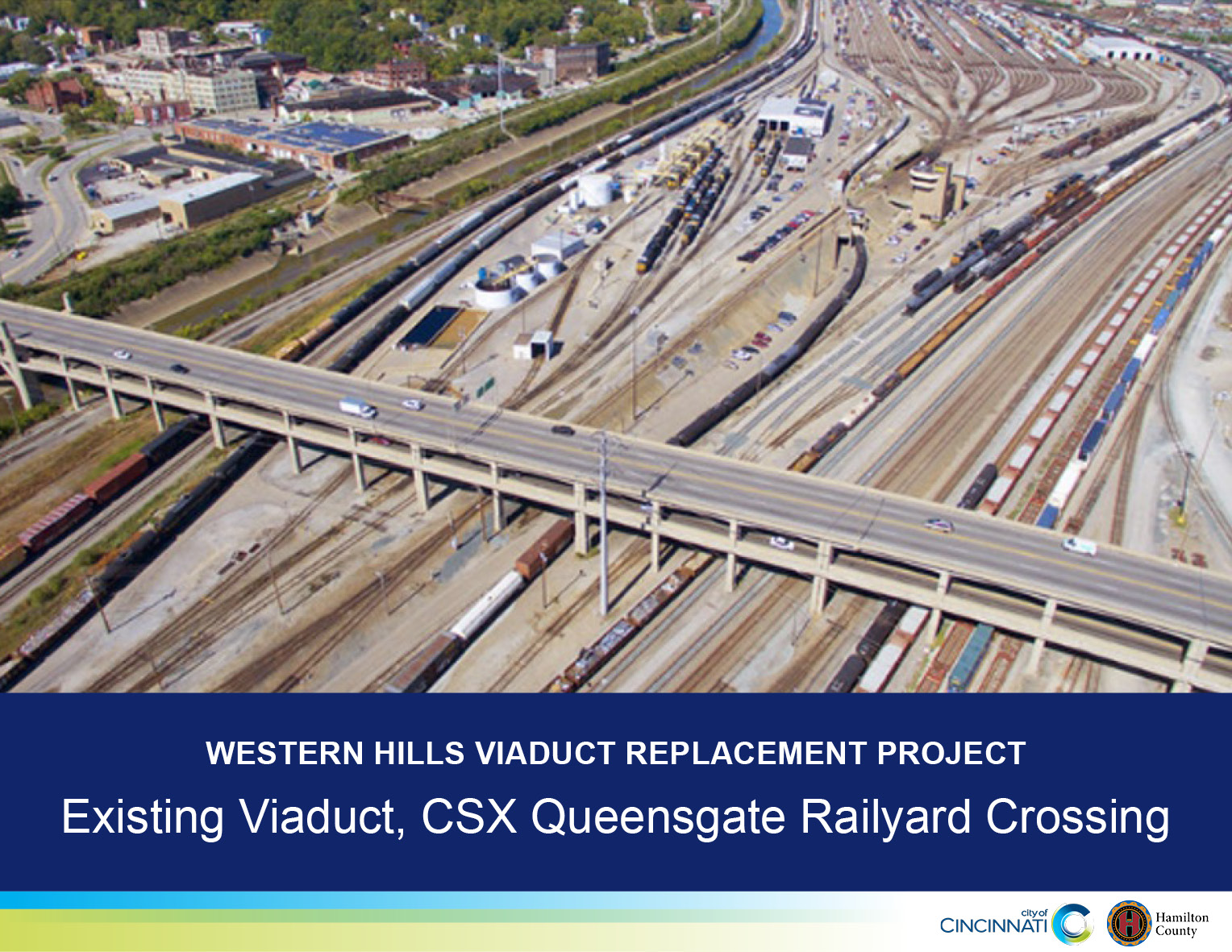
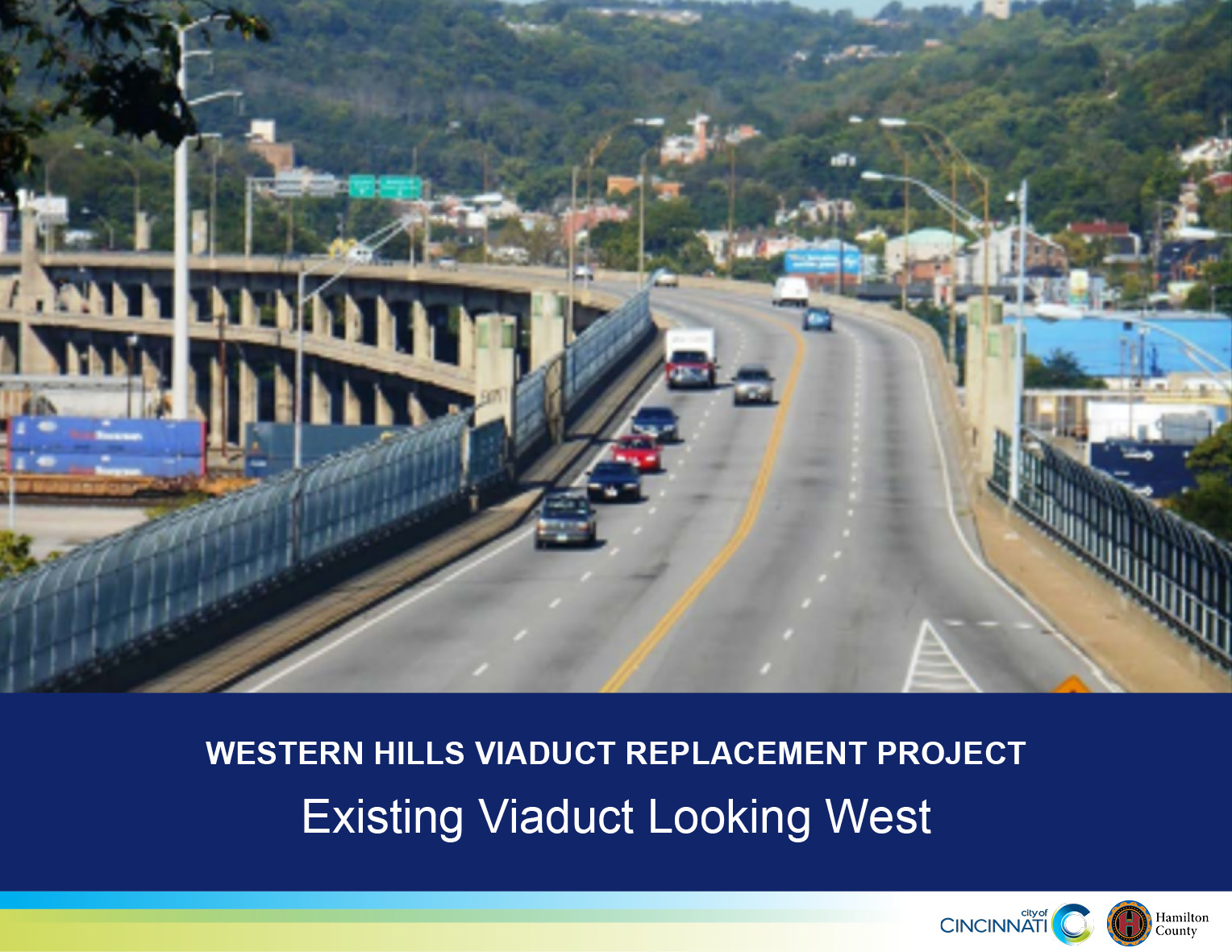
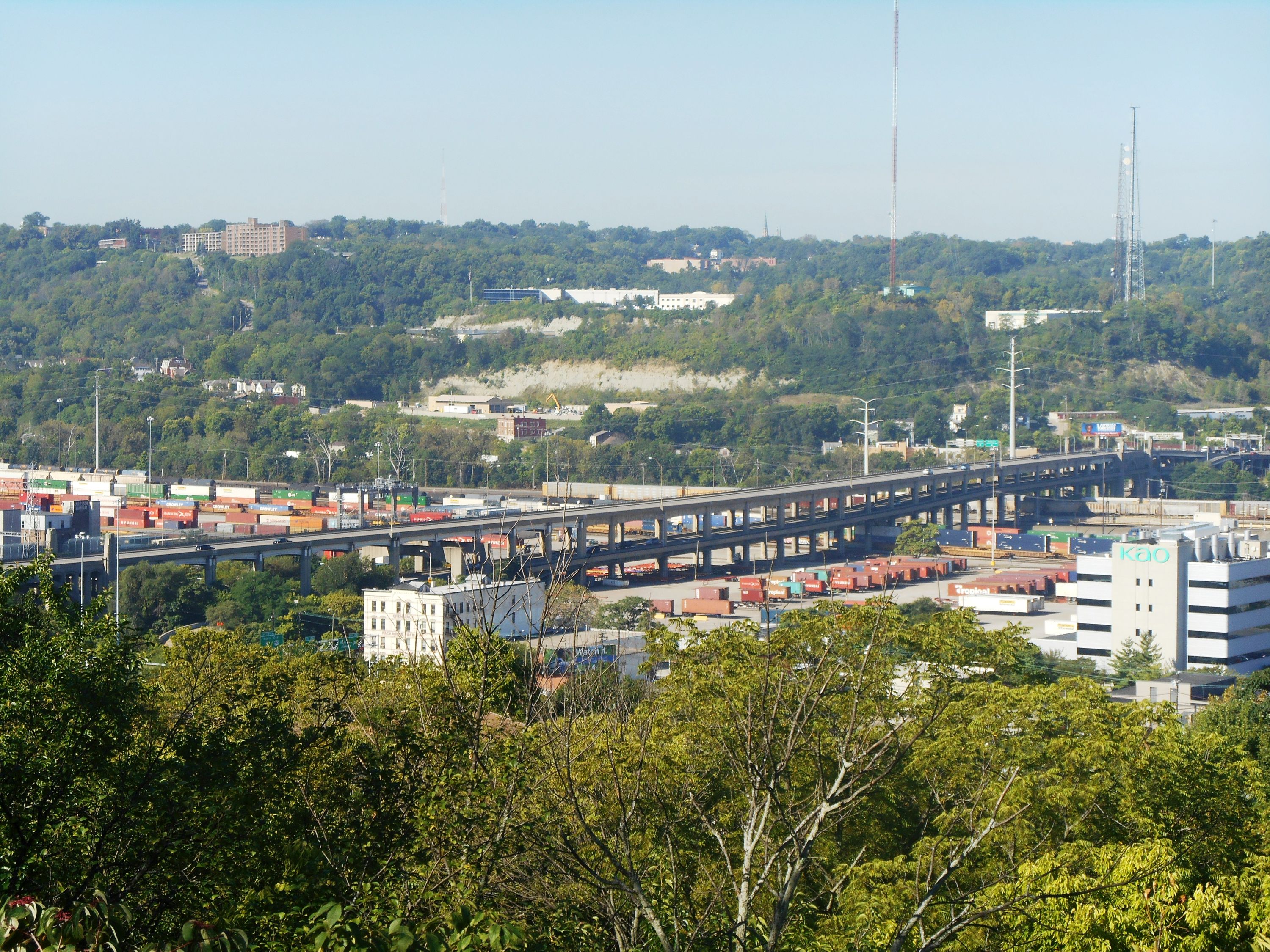
The Western Hills Viaduct connects Interstate 75 and major roads on Cincinnati’s West Side to the Downtown and Uptown areas of the city. It is a major transportation link that carries more than 55,000 vehicles a day over the Mill Creek Valley and a large, active railroad yard.
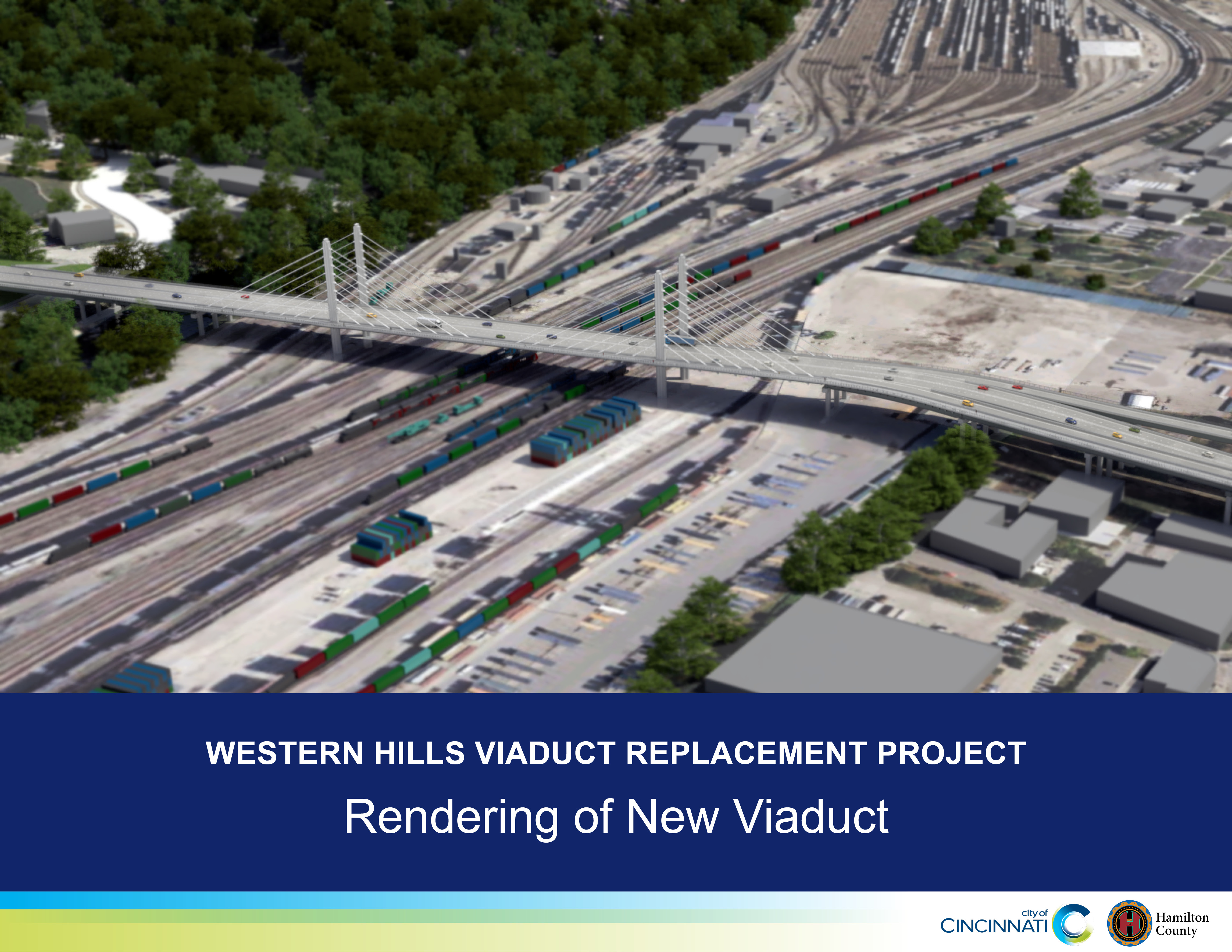
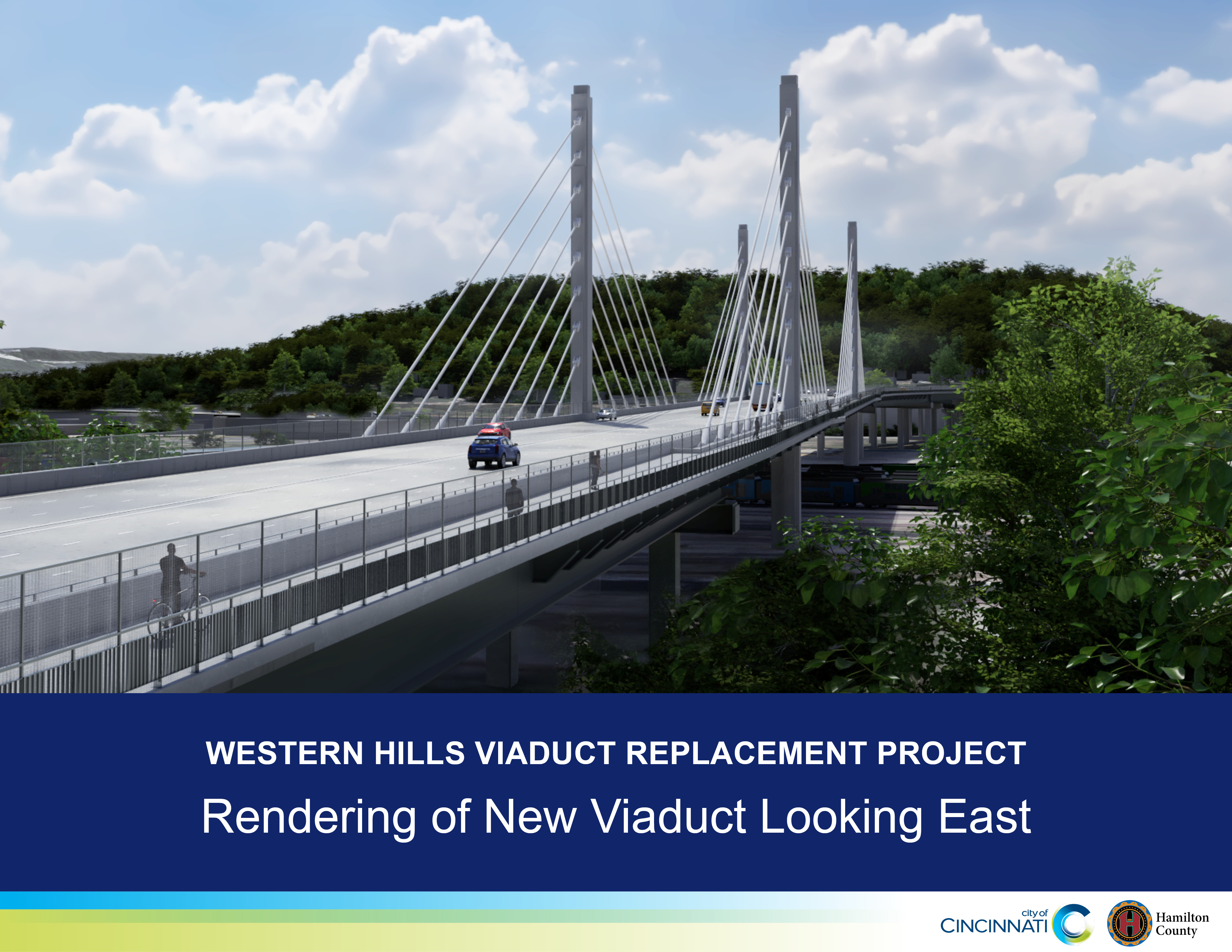
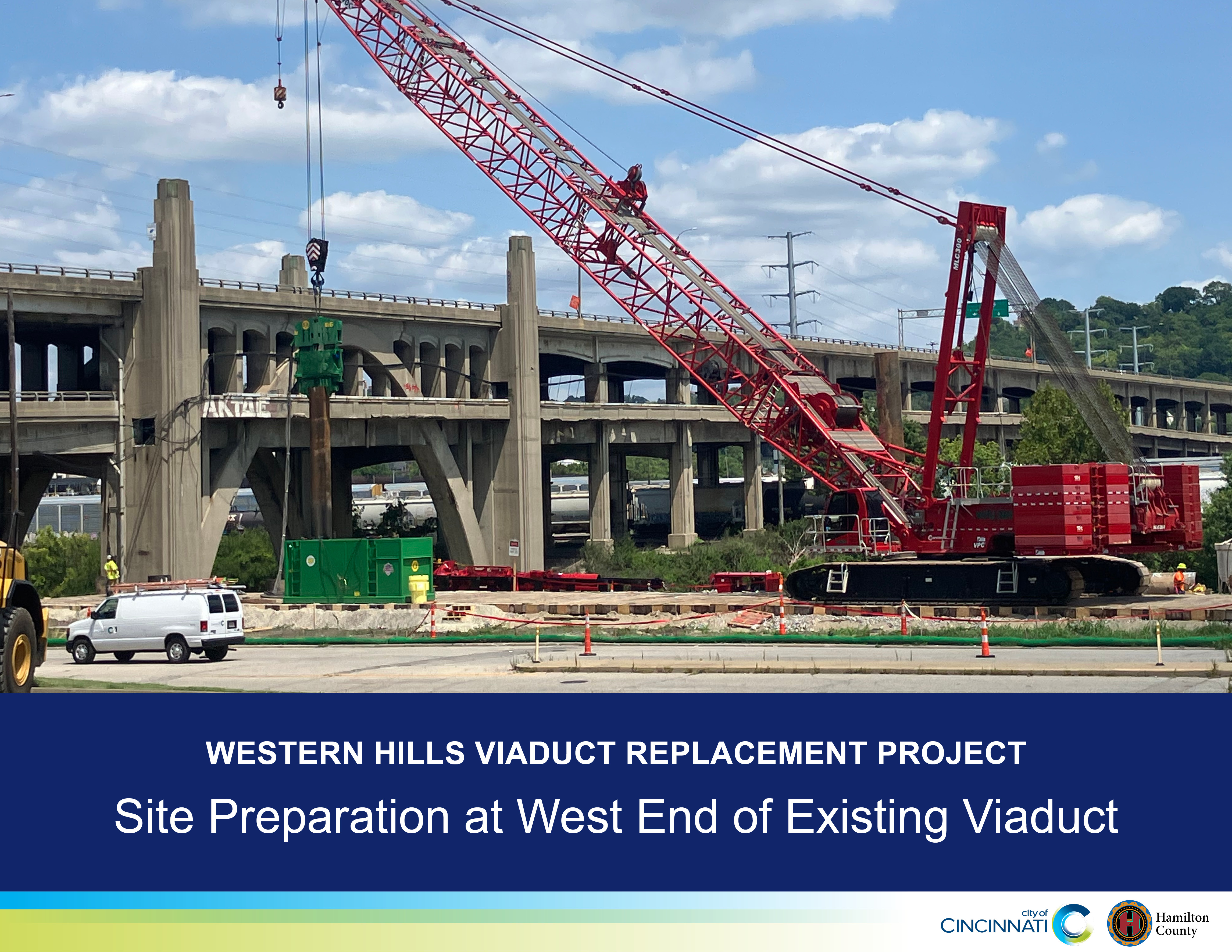
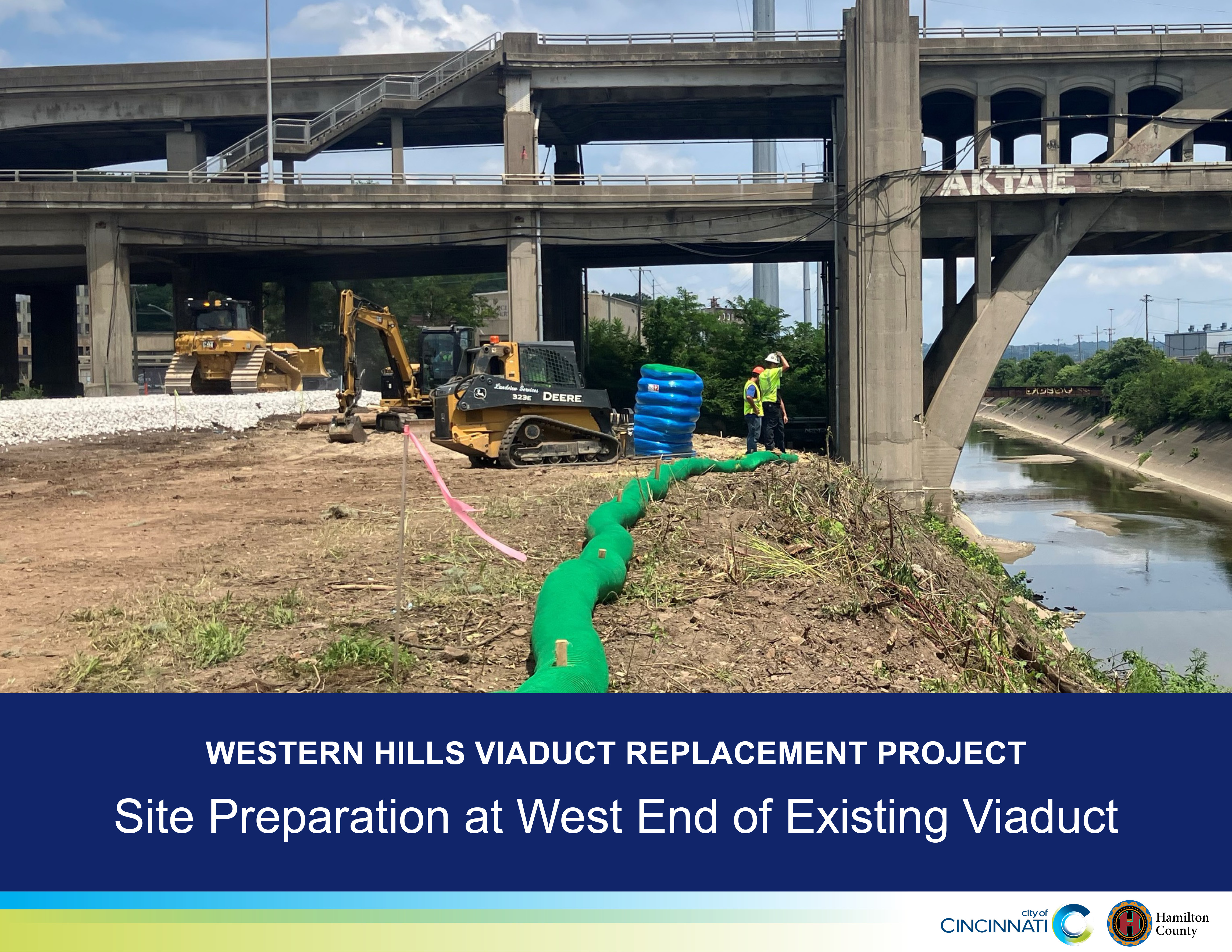
Originally built in the early 1930s, the viaduct is reaching the end of its useful life. The City of Cincinnati and Hamilton County are leading a joint effort to replace the viaduct. The team has secured the funding to build a new cable-stayed bridge immediately to the south of the current viaduct. Site preparation is now under way. Early construction work for the new bridge began in 2026.
The existing viaduct will remain open and in place throughout construction in order to maintain the flow of traffic until the new bridge is finished. Completion of the new bridge is currently projected for 2032.
Historic Documents Historic Pictures Timeline
Timeline
Relocation of a high-voltage transmission line across the railyard south of the existing viaduct is completed with the removal of the old overhead lines, making the way clear for the new viaduct. The first construction contract for an early work package is awarded to the Construction Manager at Risk (CMAR), which includes relocating a railroad track to make way for one of the new bridge supports, and construction of two trestles, or temporary steel bridges, over Mill Creek to give construction crews access to the railroad yard. Actual bridge construction is on track to begin in 2027 starting with construction of the deep foundations.
A modified preliminary design was developed in 2025. , The design of the original preferred alternative, an “extradosed” bridge, is further refined, and is now more like a traditional cable-stayed design. This updated design also reduces the width of the main span from eight lanes of traffic to six. The separate shared-use path and sidewalk have been combined into a single 14-foot-wide shared-use path that will accommodate pedestrians and bicyclists along the entire length of the bridge and both approaches. These changes reduce project costs by at least $150 million and better accommodate budgetary constraints, but also maintain all environmental and stakeholder commitments. Final design is slated for completion in 2027.
Site preparation continues with planned demolition of the third building of six in footprint of new bridge
Duke Energy substation construction project begins north of the existing viaduct
Detailed design development continues for new bridge, targeting 60 percent completion by third quarter 2025
Full team conducting detailed planning for constructability of extradosed design, railroad track and utility relocations
Ongoing coordination with the nearby Brent Spence Bridge project, which includes a new I-75 interchange connecting to the future Western Hills Viaduct replacement
Site preparation continues with demolition of the second of six buildings in footprint of new bridge
City announces its construction manager, Walsh Kokosing Joint Venture
City names Kelly McNutt Consulting as its Independent Cost Estimator
Detailed design development continues with 30 percent completion reached
In September, city receives federal grant of $127 million, which provides remaining funding needed for construction of new bridge
Site Preparation begins March 1 with demolition of first of six buildings in footprint of new bridge
City advertises request for qualification/request for proposal to hire a construction management firm
Awarded $205 million grant from Southwest Ohio Regional Transit Authority (SORTA), payable in installments of $8.2 million annually over 25 years
As a safety precaution, netting is added to deck above Spring Grove Avenue
T.Y. Lin completes detailed feasibility study on six bridge replacement options .
T.Y. Lin recommends extradosed bridge type.
As a safety precaution, weight limits posted on the Viaduct.
T.Y. Lin, City of Cincinnati, Hamilton County, ODOT, FHWA, and railroads conduct site visits and meet throughout the year to continue developing detailed plans for six possible replacement options
Western Hills Viaduct Coalition is formed to support the replacement project
First property acquisition is finalized (Q Labs)
T.Y. Lin begins study on various bridge types with input from railroads and other stakeholders
Environmental assessment is completed
T.Y. Lin International is hired as the consultant for detailed design options
Public meetings are held to share recommended design and phasing plan of a replacement bridge
URS outlines a total of 18 potential bridge configurations and three rehab alternatives as part of its preliminary engineering study
Public meetings are held to obtain public input
URS Corp. is hired as project consultant to determine whether to rehab or replace the Viaduct
Public meetings are held to obtain public input
Environmental assessment begins
First and only major rehabilitation of the Viaduct takes place
The viaduct is remodeled to connect to the new Interstate 75 interchange
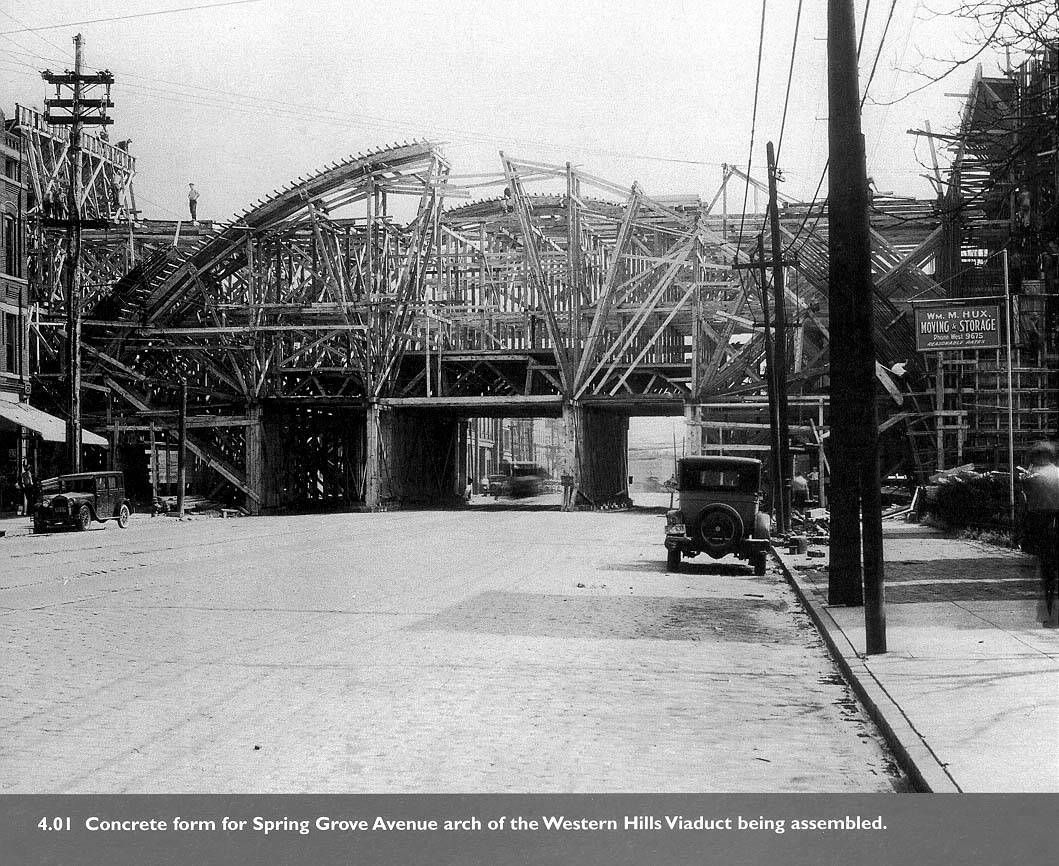
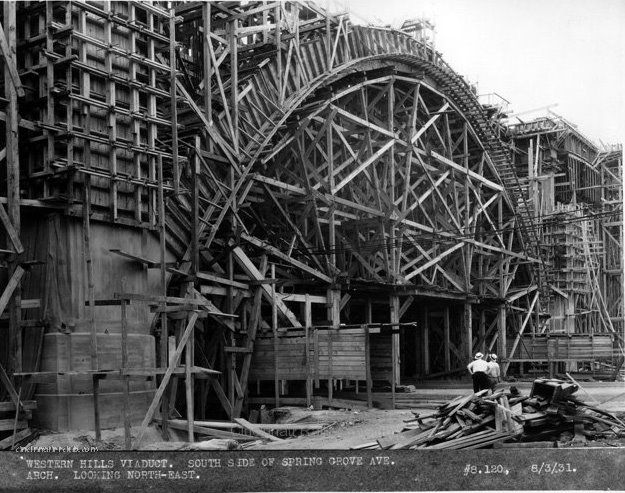
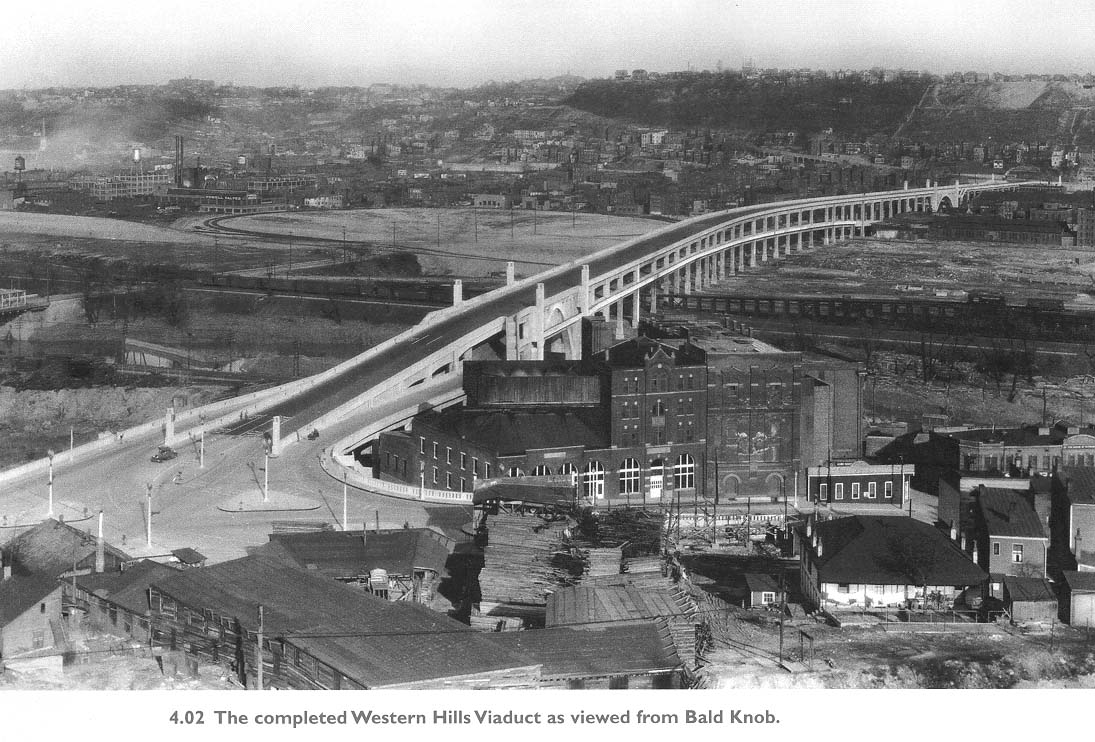
Western Hills Viaduct, a 3,500-foot double-deck span, opens to streetcar and vehicular traffic
Historic Documents
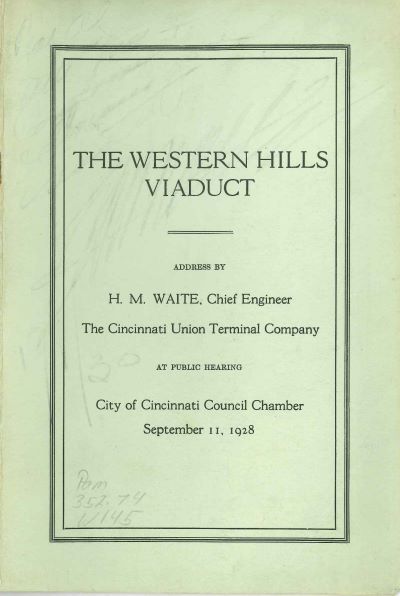
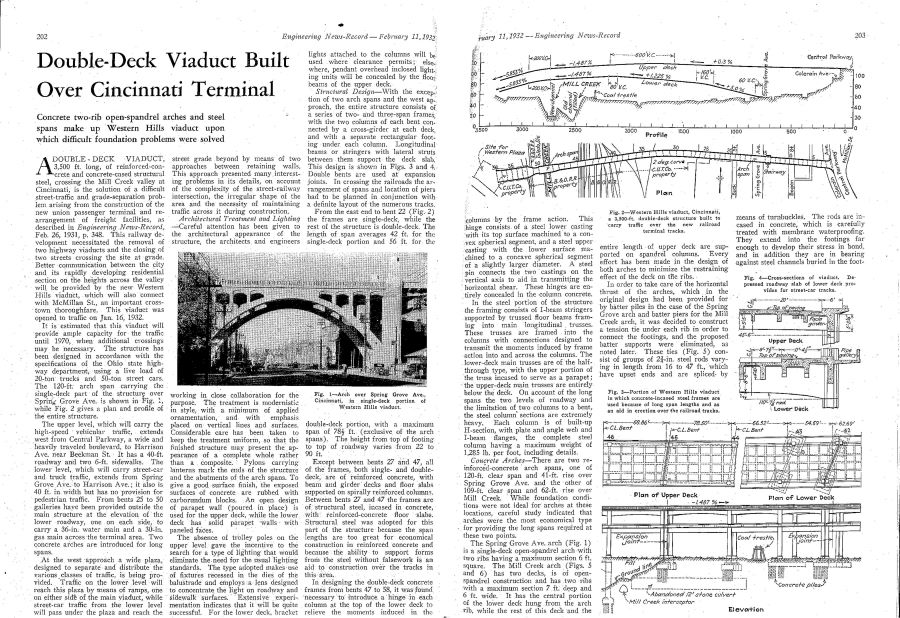
Historic Pictures
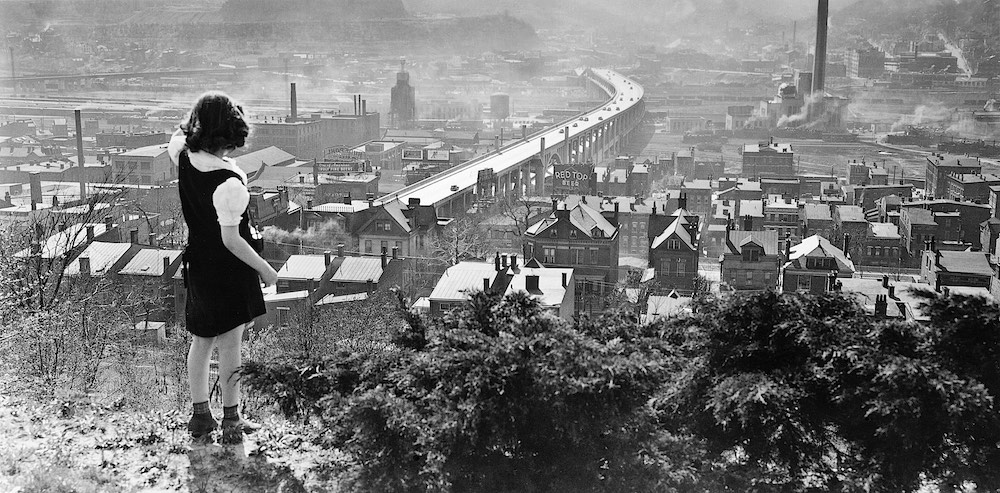
.jpg)
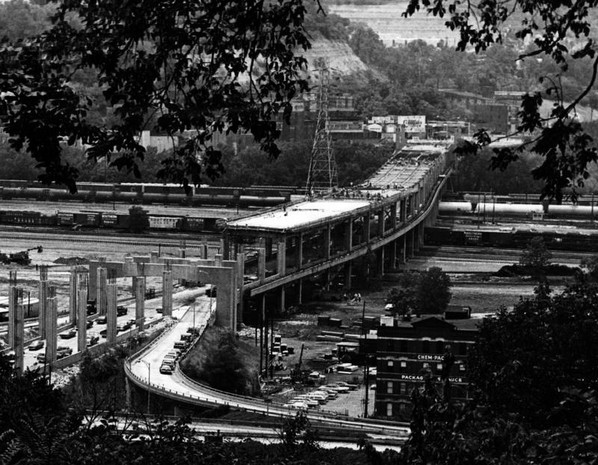
TY Lin Alternatives evaluation report
Public Meetings
2021
Major Projects & Smart Government Committee Meeting
2020
Presentation for public meeting to present extradosed bridge design • Dec. 3, 2020
Transcript of Dec. 3 public meeting
Major Projects & Smart Government Committee Meeting • Oct. 27
2019
2018
Western Hills Viaduct Coalition Meeting • May 31
Western Hills Viaduct Coalition Meeting • Feb. 13
Major Projects & Smart Government Committee Meeting • Jan. 9
2017
Major Transportation & Regional Cooperation Committee Meeting • Aug. 28
2016
Public Meeting • Dec. 1
Public Meeting • Nov. 29
2014
Major Infrastructure Committee Meeting • May 24
2013
Public Meeting • Sept. 17
Public Meeting • Sept. 19
2012
Public Meeting • Jan. 17
Public Meeting • Jan. 19


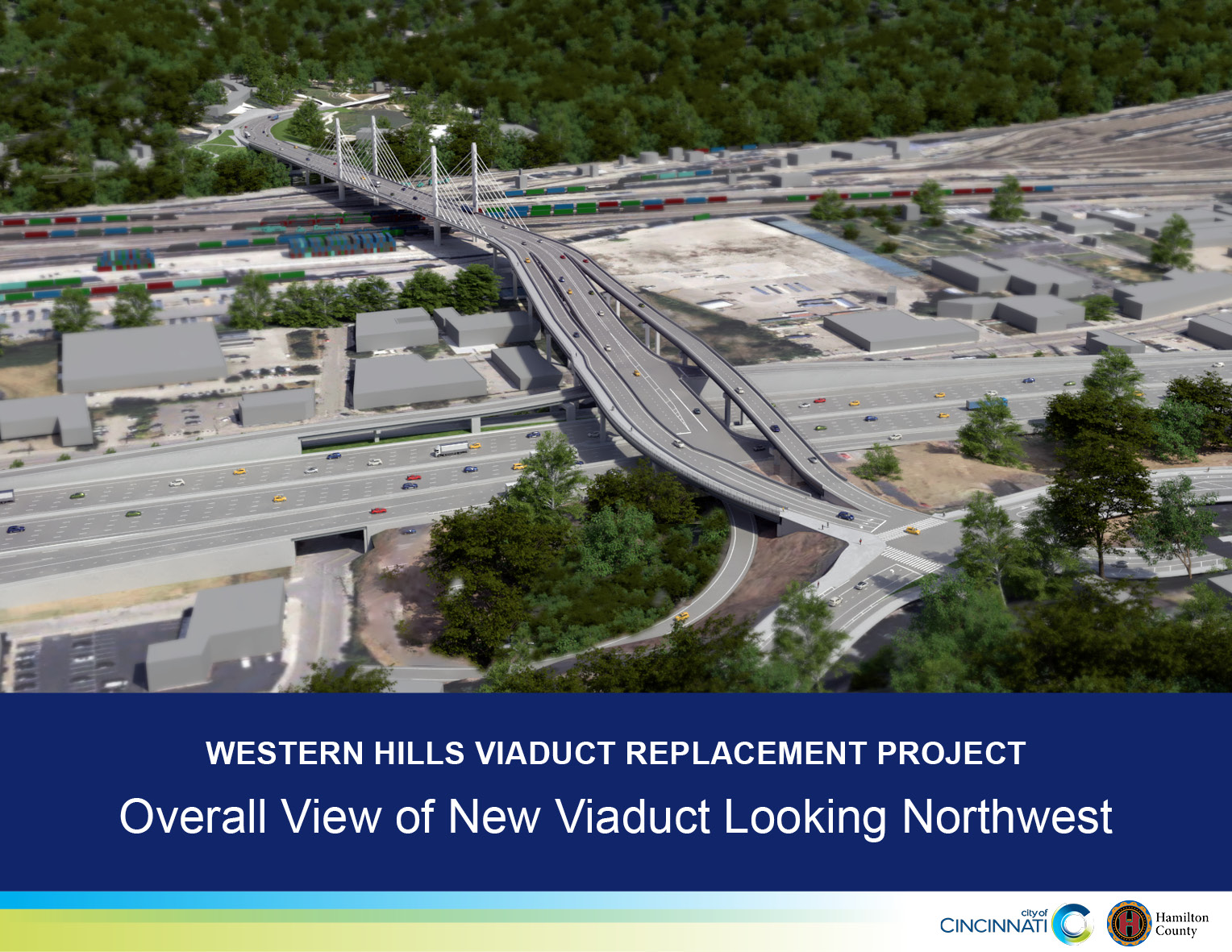
The City of Cincinnati Department of Transportation & Engineering has hired a Construction Manager at Risk (CMAR) and an Independent Cost Estimator (ICE) for the Western Hills Viaduct Replacement Project.
This complex construction project will extend a half mile over an urban valley with a large, active railroad yard and a tributary of the Ohio River.
The project team used a two-step procurement process for the CMAR that included a Request for Qualifications (RFQ) and a subsequent Request for Proposal (RFP) issued to short-listed firms. The ICE was selected using an RFQ for professional services. The city has finalized its contracts with both the CMAR and ICE, who have both been working closely with the City to develop cost estimates, schedules, and provide input on the design.
- The city's CMAR is Walsh Kokosing Joint Venture.
- The city's ICE independent cost estimator is Kelly McNutt Consulting.
Click on the following images to link to more information and to view a short video about the project:
Following are answers to frequently asked questions about the status of the Western Hills Viaduct:
Safety
Q: Why does the viaduct need to be replaced?
The viaduct is reaching the end of its useful life. Its structural condition is worsening with some deterioration of the structural steel members. The steel members are encased in concrete, which makes them difficult to inspect and maintain. In addition, the geometry of the viaduct doesn't meet current design standards, and pedestrian and bicycle access are poor.
Q: Is the viaduct safe to use?
Yes, the viaduct is safe for travel for all vehicles that do not exceed the legally posted weight limits. The city performs regular maintenance and inspections on the viaduct. Our maintenance protocol includes inspecting expansion joints and the identification and removal of concrete that appears susceptible to falling. In addition, netting is installed above the Spring Grove intersection to prevent loose concrete from falling from into this hard-to-reach area.
Q: Why can concrete become loose and fall from the structure?
The viaduct’s concrete-encased steel structure is gradually deteriorating due to rust, which is caused by prolonged exposure to wet weather and salt from snow removal. Steel expands when it rusts, which causes the concrete attached to it to break loose and flake off.
Q: Why did the city install netting on the viaduct?
The city installed nets above the intersection of Spring Grove Avenue and the lower deck of the viaduct in June 2021. This area was increasingly difficult to manage through regular inspections and chipping because it is in a narrow opening that is hard to see and reach. It is the highest overhead area along the half-mile stretch of the viaduct, measuring more than 40 vertical feet between Spring Grove Avenue and the lower deck. Maintenance crews regularly remove loose concrete by chipping it off the upper deck to prevent it from falling to the lower deck. The nets catch loose concrete that cannot be seen or easily reached.
Q: How much netting is installed on the viaduct?
There are nets in one area. Those nets are attached between floor beams above the viaduct’s intersection at Spring Grove Avenue. The maintenance of this area, which is more than 40 feet overhead, is difficult to perform because the opening between the floor beams is so narrow and hard to reach. The nets catch loose concrete that may slough off in this area. .
Q: Why isn’t netting installed along the full length of the viaduct?
Netting is installed in an area that is otherwise difficult to reach and maintain to prevent falling concrete from becoming a safety hazard. The majority of the viaduct is easily within reach for our maintenance crews, and the netting would make proactive concrete removal more difficult in these low-risk areas.
Q: How often is the viaduct inspected?
The city performs inspections and removes loose concrete from the viaduct at least twice per year. In addition, inspections are a standard practice whenever other maintenance is performed on the viaduct.
Q: What is the viaduct’s condition rating?
The viaduct is rated 4 on a scale of 0 to 9, per state and federal standards. Bridges rated 4 or below are considered to be in “poor” condition. Bridges rated 5 or 6 are considered to be in “fair” condition. Those rated 7 are considered to be in “good” condition. A rating of 8 is considered “very good,” and 9 is “excellent.”
What's Next
Q: What is the status of the replacement project?
During the initial planning phase, multiple bridge types were evaluated. After considering such factors as operations, constructability, durability and maintenance needs, railroad preference, cost, and aesthetics, a cable-supported bridge design, called an "extradosed" bridge was selected as the preferred alternative. The main spans will be supported by cables connected to two concrete towers, carrying the bridge across the CSX and Norfolk Southern railyard, and the CSX intermodal yard.
Initially, the proposed new viaduct was designed as a single deck bridge with eight lanes of travel, four in each direction. In addition, it included a protected 14-foot shared-use path for bicyclists and pedestrians on the south side of the bridge deck and a sidewalk on the north.
Based on information available at the time, the cost of this new bridge concept was anticipated to be approximately $400 million.
After hiring a construction manager for the project in 2023 and developing preliminary designs, more detailed construction cost estimates were developed by three independent organizations. These estimates showed a substantially higher construction cost than originally expected. Primarily due to increased costs for labor and construction materials, the new estimated cost was more than double the original estimate.
In the fall of 2024, the project team worked to determine what changes could be made to the bridge design to lower overall costs and still meet the travel needs of drivers, bicyclists and pedestrians, as well as the community’s established priorities.
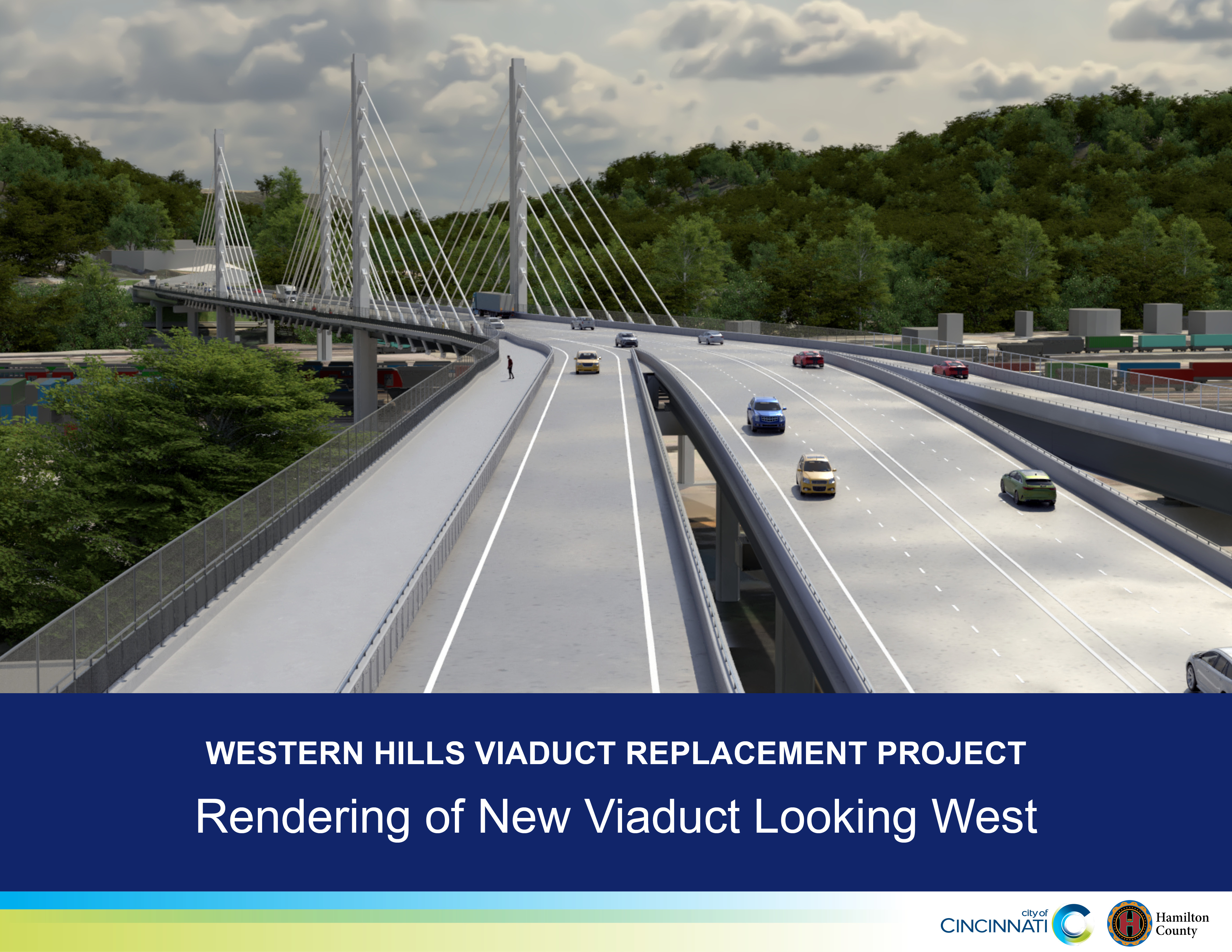
A modified preliminary design was developed in 2025. This updated design retains the basic cable-supported design of the original selected extradosed alternative, but is now more like a traditional cable-stayed bridge type. The updated design also reduces the width of the main span from eight lanes of traffic to six. The separate shared-use path and sidewalk have been combined into a single 14-foot-wide shared-use path that will accommodate pedestrians and bicyclists along the entire length of the bridge and both approaches. These changes reduce costs by at least $150 million and better accommodate budgetary constraints but also maintain all environmental and stakeholder commitments.
Q: What are the benefits of the current design?
This concept brings much-needed benefits that will serve the community for generations to come, including:
- Creating improved, intuitive roadway connections by directing viaduct traffic heading toward I-75 North to the left side of the bridge and moving the left-hand exit from I-75 North to the right-hand side.
- Making the Harrison Avenue connection safer and easier to navigate by eliminating the need to merge upper and lower deck traffic when exiting the viaduct.
- Improving the safety of pedestrians, bicyclists, and motorists alike by constructing a new shared-use path that will be physically separated from vehicular traffic.
Q: When will construction of the new bridge begin?
Many tasks related to clearing the way for the Western Hills Viaduct replacement bridge have already been completed. Preparations for constructing the bridge itself are slated to begin in 2026.
Early tasks will include installation of access trestles over the Mill Creek and State Avenue, providing a direct connection into the Queensgate Railyard for construction equipment, building the bridge’s support substructure, and relocating a railroad track to accommodate bridge support.
The completed Western Hills Viaduct replacement bridge is expected to open to traffic in 20310. In the meantime, the existing viaduct will remain open to traffic throughout most of construction with coordinated ramp closures that will keep east-west traffic flowing and minimize disruptions to travel as much as possible.
Q: Who is going to build the replacement bridge?
The construction contractor is Walsh Kokosing Joint Venture.
Q: What will happen to the existing viaduct while the new bridge is built?
The existing viaduct will remain open to traffic throughout most of construction with coordinated ramp closures that will keep east-west traffic flowing and minimize disruptions to travel as much as possible. It will be removed once the new bridge is open.
Q: How much will it cost to replace the viaduct?
Project estimates are continuing to be refined and updated as the project team works toward completion of the final design, expected in 2027. Estimates are being reviewed and validated by our partners at the Ohio Department of Transportation (ODOT) and the Federal Highway Administration (FHWA). Updated estimates will be shared as they become available. The replacement of the viaduct is funded with federal grants and local matching dollars from the City of Cincinnati, Hamilton County and the State of Ohio.
The end result will be an updated, attractive, cost-effective bridge that will be a new jewel in the Queen City’s crown, improving local connections, maintaining safety over one of the nation’s largest railyards, and carrying Cincinnatians for decades to come.
Q: Where will the new bridge be located?
The new bridge will be located adjacent to the existing viaduct, approximately 50 feet to its south.
Q: What will the replacement bridge look like?
The viaduct’s replacement will be a cable-stayed bridge with a single deck. There will be six travel lanes, three in each direction, and a 14-foot-wide shared-use path that will accommodate pedestrians and bicyclists along the entire length of the bridge and both approaches.
Q: What criteria helped determine the new bridge’s design?
- Cost
- Aesthetics
- Durability/Maintainability
- Railroad Preference
- Constructability
- Claims Potential
- Traffic Operations
- Bridge Drainage
Q: What is the difference between a viaduct and a bridge?
The words are interchangeable, though viaducts traditionally refer to a bridge-like structures that extends across a valley or low, dry ground.
More About This Project
Q: How is the Ohio Department of Transportation (ODOT) involved in the project?
ODOT is responsible for designing and building the portion of the bridge that extends over I-75, along with the associated ramps from the interstate. ODOT also administers the federal grants funding the design and right-of-way for the entire project.
Q: Will construction of the new viaduct affect traffic on I-75?
No impact is expected in the early phases of construction of the new viaduct. However, there will be an impact to I-75 traffic in the later phases of construction when the interstate’s southbound entrance ramp to the interchange is built to connect to the new bridge. Construction of the interchange, which ODOT is managing, will start after construction of the new bridge is underway.
Q: What is the most challenging aspect of the project?
The single most challenging aspect of the project is the need to build the new bridge over a large, active railyard with more than 30 tracks.
The existing viaduct is reaching the end of its useful life. Its condition rating is 4 on a scale of 0 to 9, per Ohio Department of Transportation (ODOT) standards. Nine is the best condition rating, and 0 is the worst. A rating of 4 is classified as "poor."
As safety precautions, there are:
- Weight limits posted on the viaduct. The limits ban some heavily loaded single-unit trucks, affecting an estimated five percent or less of the 55,000 vehicles that cross the viaduct daily. The restrictions do not affect two-axle vehicles, which include most buses, or multi-unit trucks, such as semi tractor-trailers. The restrictions apply to certain single-unit vehicles with three or more axels carrying certain weights.
- Nets are installed above the intersection of Spring Grove Avenue and the lower deck of the viaduct to help catch loose concrete that cannot be seen or easily reached as part of normal maintenance and inspections.
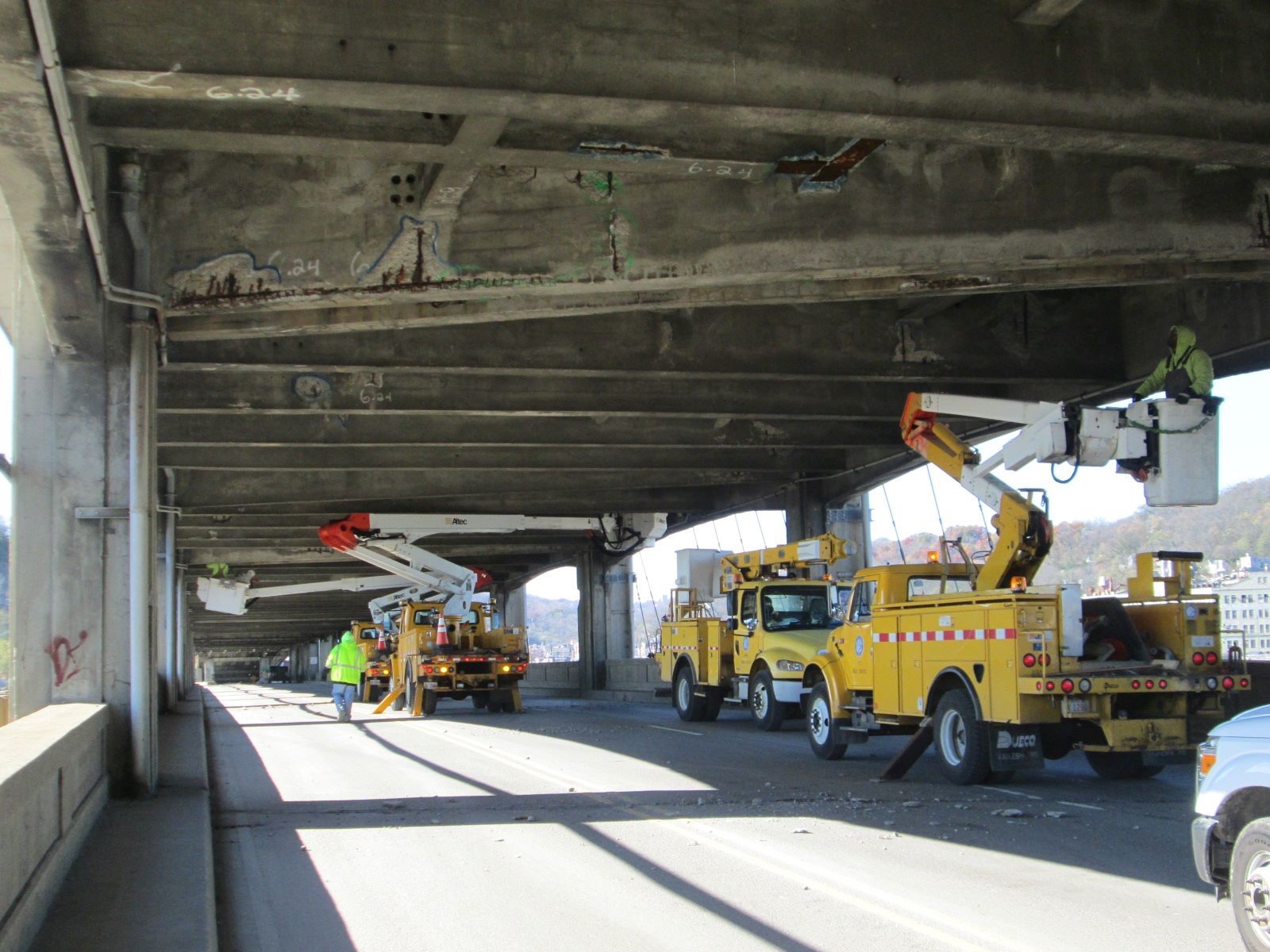
To help maintain the viaduct, the City of Cincinnati Department of Transportation & Engineering (DOTE) performs regular maintenance and inspections that include:
- Chipping loose concrete from the underside of the deck
- Concrete sound checks to find and remove potentially loose concrete
- Sweeping debris
- Cleaning deck drains
City crews perform routine maintenance several times a year, typically in late fall and early spring. The amount of time it takes to perform maintenance varies, depending on the condition of the concrete.
Crews also review potential trouble spots if conditions change and additional inspections are warranted.
In addition, the Ohio Department of Transportation (ODOT) performs maintenance, as needed, on the I-75 ramps that connect to the viaduct.
NEPA Participation Statement
The City of Cincinnati Department of Transportation & Engineering and its partners are following the requirements of the National Environmental Policy Act (NEPA) of 1969 for the Western Hills Viaduct replacement project.
Enforced by the Federal Highway Administration (FHWA), the purpose of NEPA is to ensure that the environmental consequences of a proposed project and its components are thoroughly evaluated and considered before any final decisions are made. NEPA also requires that the public be informed and has the opportunity to provide input as part of the decision-making process.
In Ohio, FHWA has granted the Ohio Department of Transportation authority to oversee adherence to NEPA requirements. Under this arrangement, ODOT assumes responsibility for compliance with environmental laws, rules and orders, interagency consultation, and any other environmental related actions for Ohio-based transportation projects. This assignment of responsibilities streamlines the federal environmental review process and gives ODOT project review and approval authority. More information about this process can be found at https://www.transportation.ohio.gov/wps/portal/gov/odot/programs/nepa-odot.
Commitment to Public Involvement
To fulfill NEPA-based public involvement requirements, the City of Cincinnati will:
- Provide early and continuous opportunities for meaningful public involvement
- Provide adequate notice of public involvement opportunities and time for public review and comment at key transportation planning development milestones
- Provide reasonable public access to technical data and policy information
- Conduct public meetings at convenient and accessible locations and times
- Use visuals when feasible to describe the planning process and project information
- Make public information available in electronically accessible formats, whenever possible
- Demonstrate explicit consideration and response to public input received
- Seek out and consider the input of traditionally underserved populations, including low-income and minority households and populations with limited English proficiency; provide interpretation assistance when needed
The northern-most stretch of the Brent Spence Companion Bridge project will connect to the Western Hills Replacement project via a new interchange with Interstate 75. The Ohio Department of Transportation is managing planning and construction of the interchange, and the City of Cincinnati and Hamilton County are managing the Western Hills Viaduct replacement project.
► Read more about the new Brent Spence Companion Bridge